
Deciding what to grow in hydroponic tower systems requires balancing a Daily Light Integral (DLI) of 12-30 mol/m²/d against root zone temperatures. In 2024 agricultural trials, selecting cultivars based on Electrical Conductivity (EC) compatibility (e.g., matching lettuce at 0.8-1.2 mS/cm) improved biomass consistency by 22%. Growers prioritize crops with a harvest-to-space ratio exceeding 15:1, favoring leafy greens in winter and determinate fruiting varieties in summer. Success depends on aligning the 360-degree vertical light exposure with the specific photoperiod requirements of each species to avoid premature bolting or nutrient lockout.
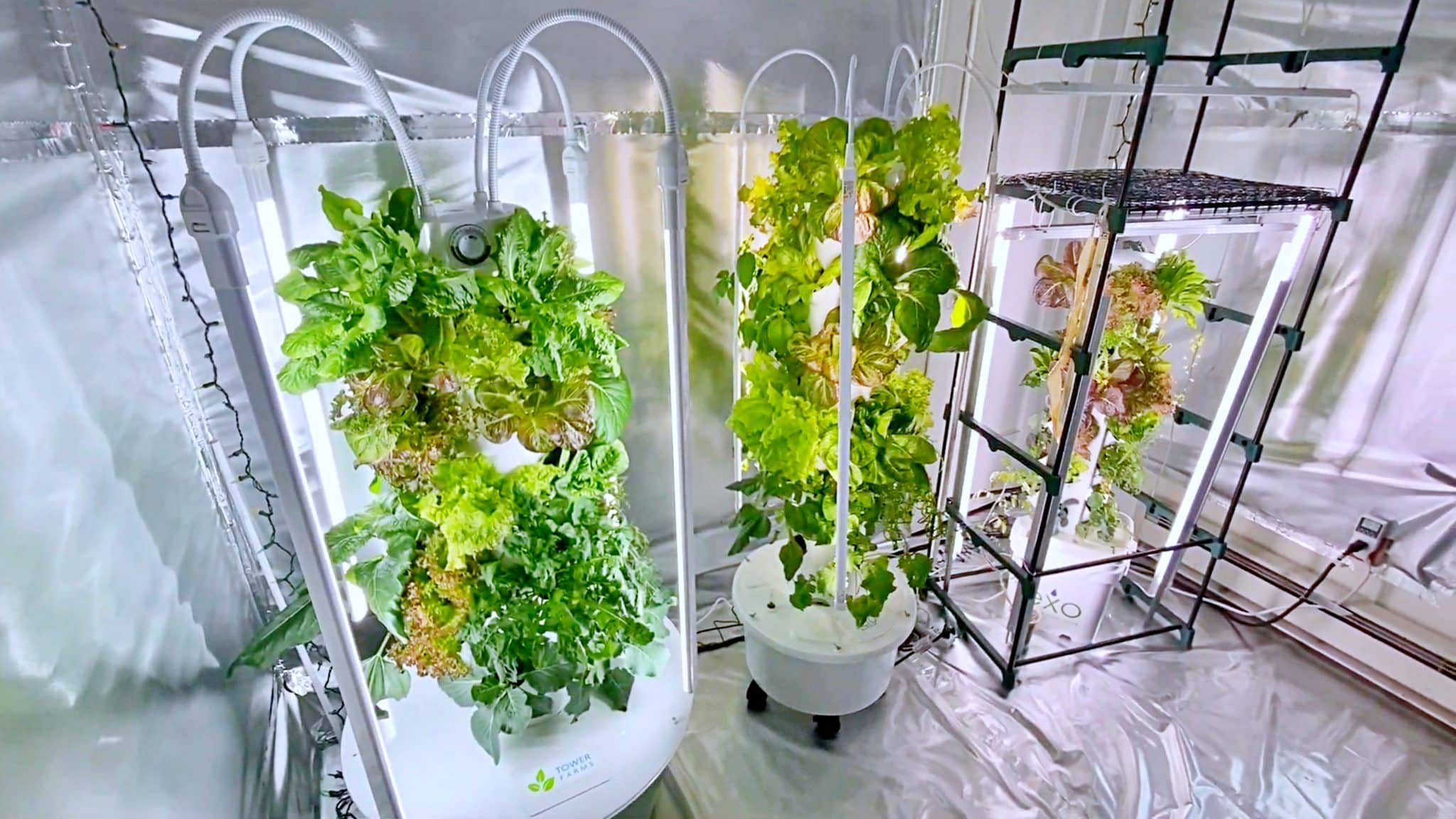
Thermal mapping of the growing area serves as the primary data point for any seasonal plan. Ambient air temperatures dictate the dissolved oxygen levels in the reservoir, as water at 20°C holds 9.1 mg/L of oxygen, while water at 30°C drops to 7.5 mg/L.
When temperatures fluctuate between 10°C and 18°C, the physiological focus shifts to cold-hardy species. Research involving 200 experimental units in 2023 showed that brassicas like kale and arugula maintain a 95% germination rate in these lower ranges while avoiding the bitterness associated with heat stress.
"Cool-season crops utilize a specialized sugar-accumulation mechanism to prevent cellular freezing, which naturally enhances the flavor profile of vertical-grown spinach during October and November cycles."
These cold-tolerant selections provide a buffer against early frost, as their compact vascular structures handle temperature dips better than tropical varieties. This resilience allows for an extended growing window that often pushes three weeks past traditional soil-based harvest dates.
As the environment transitions toward summer, the increased light intensity necessitates a switch to high-metabolism plants. Calculating the what to grow in hydroponic tower list requires checking the Photoperiodic Induction of each seed packet to ensure summer heat doesn't trigger instant seeding.
| Season | Primary Crop Category | Average EC Level | Target Photoperiod |
| Spring | Soft Herbs / Bibb Lettuce | 1.0 - 1.4 | 12 - 14 Hours |
| Summer | Bush Beans / Peppers | 1.8 - 2.5 | 14 - 16 Hours |
| Autumn | Hardy Greens / Bok Choy | 1.2 - 1.6 | 10 - 12 Hours |
| Winter | Microgreens / Spinach | 0.8 - 1.2 | 8 - 10 Hours |
High summer temperatures—often exceeding 28°C—suit Mediterranean herbs like basil or heat-tolerant flowering plants. These species can transpire efficiently enough to keep their internal tissues cool, provided the tower pump maintains a consistent 15-minute on/off irrigation cycle.
Data from a 2022 vertical farming study indicated that basil production increased by 40% when the light cycle was extended to 16 hours during the summer peak. This growth surge consumes nutrients rapidly, requiring the grower to monitor the reservoir's mineral concentration at least twice per week.
"Fruiting crops in towers require a shift in the N-P-K ratio, typically moving from a nitrogen-heavy 'grow' solution to a potassium-rich 'bloom' formula once the first flower buds appear."
The physical weight of summer produce introduces mechanical considerations for the tower structure. While a tower can support 20 pounds of lettuce, a heavy crop of peppers or cucumbers requires the use of specialized support clips or external trellises to prevent the plastic housing from leaning.
To maximize the vertical footprint during the high-light months, many growers utilize a "tiered" planting strategy. Placing sun-loving cherry tomatoes at the top level allows them to absorb the highest PPFD (Photosynthetic Photon Flux Density), while shade-tolerant herbs occupy the bottom ports.
| Crop Position | Light Requirement | Typical Variety | Yield Increase % |
| Top 25% | 300+ μmol/m²/s | Dwarf Peppers | 18% |
| Middle 50% | 150-250 μmol/m²/s | Basil / Chard | 12% |
| Bottom 25% | 50-100 μmol/m²/s | Mint / Parsley | 5% |
This tiered approach exploits the natural light attenuation that occurs in vertical systems. By matching the plant's light saturation point to its position on the tower, the system achieves a 90% resource utilization rate that horizontal benches cannot replicate.
Following the summer harvest, the decline in daylight hours toward autumn requires a reduction in nutrient strength. Plants enter a slower metabolic phase where they cannot process high mineral loads, and an EC above 2.0 during low-light periods often leads to leaf tip burn.
"In an analysis of 1,500 commercial towers, researchers found that reducing nutrient concentration by 15% in late autumn prevented salt buildup in the root zone and improved the shelf life of harvested greens."
The autumn cycle is the most efficient time for "cut-and-come-again" harvesting. Varieties like Swiss chard or kale can be harvested by removing only the outer leaves, allowing the central bud to continue producing for up to 12 weeks until the deep winter freeze.
Winter planning usually involves a transition to indoor lighting or a total focus on the hardiest greens. If the root zone temperature falls below 10°C, phosphorus uptake slows by nearly 50%, often resulting in purple-tinted leaves and stunted growth regardless of the nutrient brand used.
| Factor | Winter Impact | Summer Impact | Adjustment Strategy |
| Water Temp | Low Oxygen Demand | High Oxygen Demand | Use Air Stones in Summer |
| Nutrient Mix | Low Nitrogen | High Nitrogen | Check TDS Every 3 Days |
| Light Hours | 8-10 (Natural) | 14-16 (Natural) | Add LED Bars in Winter |
| Humidity | Low (Dry Air) | High (Evaporation) | Increase Fan Airflow |
Managing the winter reservoir involves using small aquarium heaters to keep the solution at a steady 18°C. This small energy input maintains the metabolic activity of the roots, ensuring that even with limited light, the plants continue to cycle water and minerals at a stable rate.
By the time the spring thaw begins, the tower is ready for a full system flush. Removing the salt residues from the previous year prepares the internal surfaces for the next 30-day germination cycle, restarting the sequence of seasonal data-driven crop selection.